What is superadequacy? It’s basically a synonym for “overimprovement”. It’s when a property is overimproved and the cost exceeds the value it adds to the property. Examples of superadequacy would be a 10-bedroom house in a 3-bedroom neighborhood, a swimming pool that costs $40,000 but adds $10,000 in value, an air conditioning unit in Antarctica, solid gold bathroom countertops or a $50,000 kitchen remodel in a $100,000 neighborhood.
Can you spot any superadequacy in the 30-second clip I shot below?
What examples of overimprovement have you seen? Can you think of instances of overimprovement found on television remodel shows?
If you have any real estate appraisal, consulting, or property tax appeal needs in the Greater Sacramento Region, contact me at 916.595.3735, by email, on our appraiser website or via Facebook.


 Neighborhood Mini-Case Study: Let’s look at a particular neighborhood to get a closer view of distressed vs traditional sales. The data below represents the “Bridgegate” model in
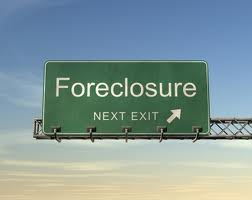 Avoid REOs in appraisal reports: REO sales should be avoided in appraisal reports where possible. However, many areas in Sacramento have a percentage of distressed sales (bank-owned + short sales) near 70%, so it’s not always possible to use only traditional sales. I just appraised a condo recently and 35 of 36 sales over the past year were distressed.
 So far during “
 While we might like to believe purchasing real estate involves only what takes place inside of our parcel lines, there is no such thing as buying a “parcel island”. When we invest in real estate, we buy into a neighborhood and are therefore responsible for the image of the community. This is true for both owner-occupants and real estate investors. While it’s easy to blame blight on investors for not properly caring for their units, home owners, renters and local government (code enforcement) each play a major role in the image of a neighborhood.